

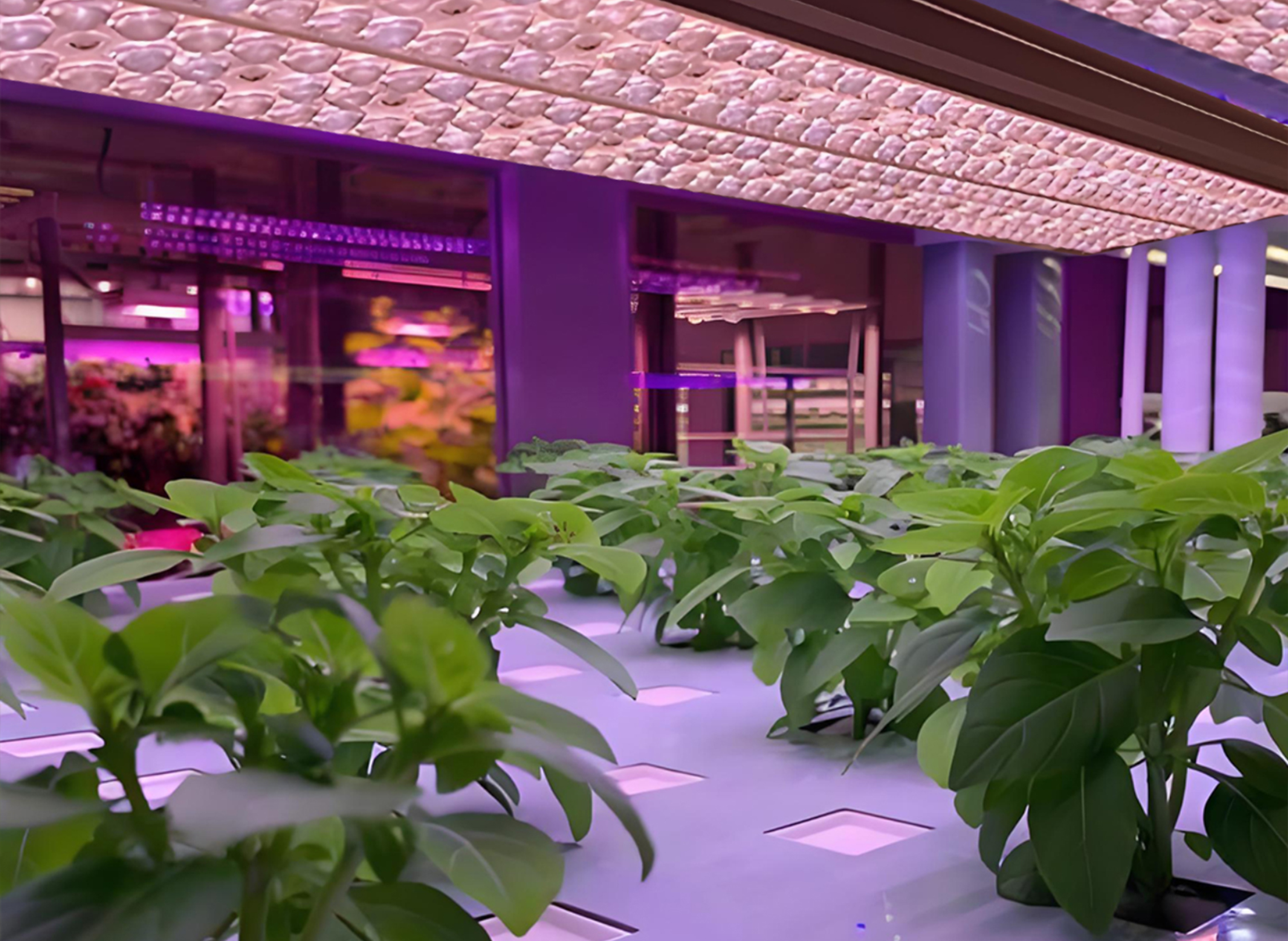
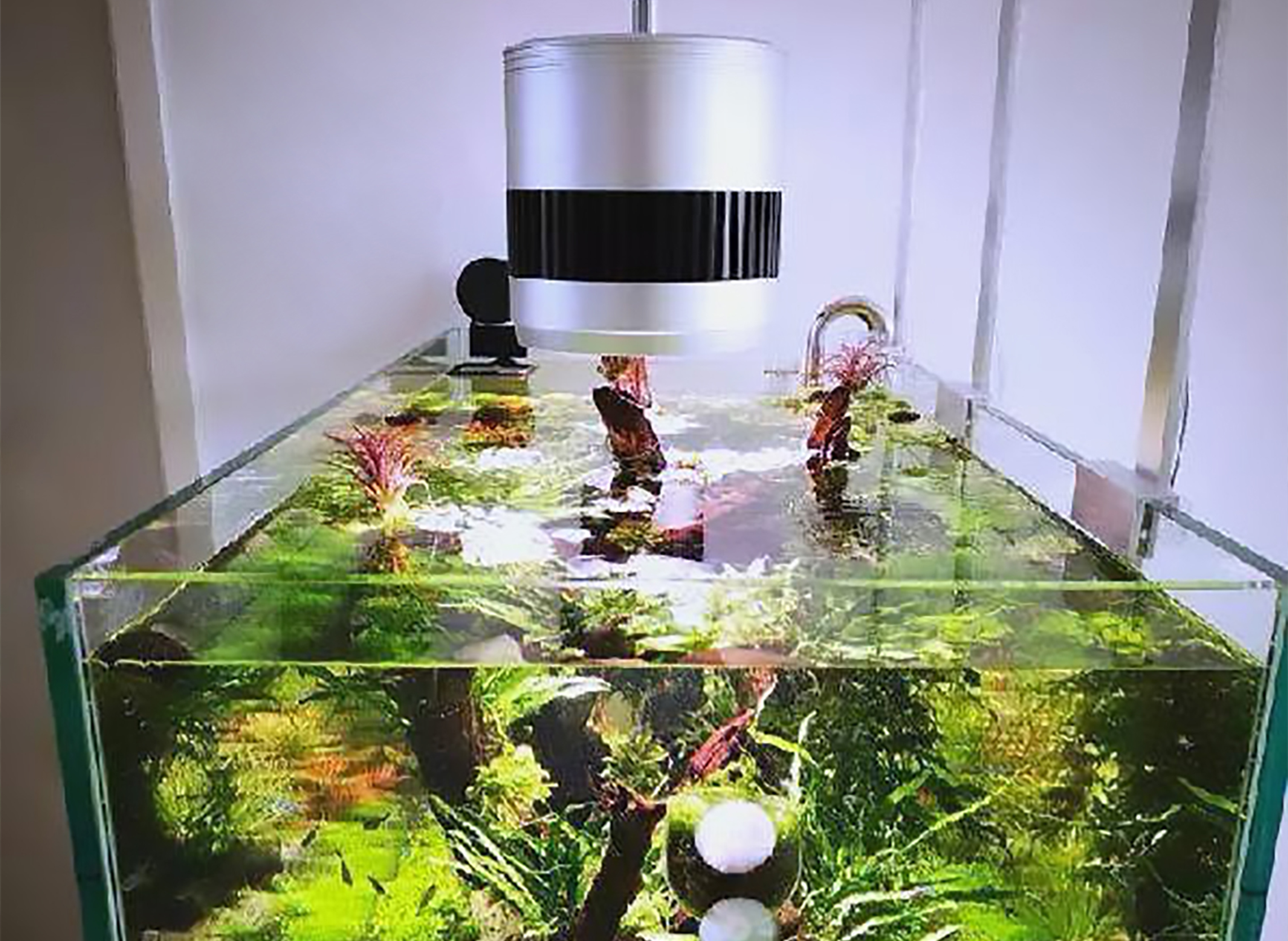
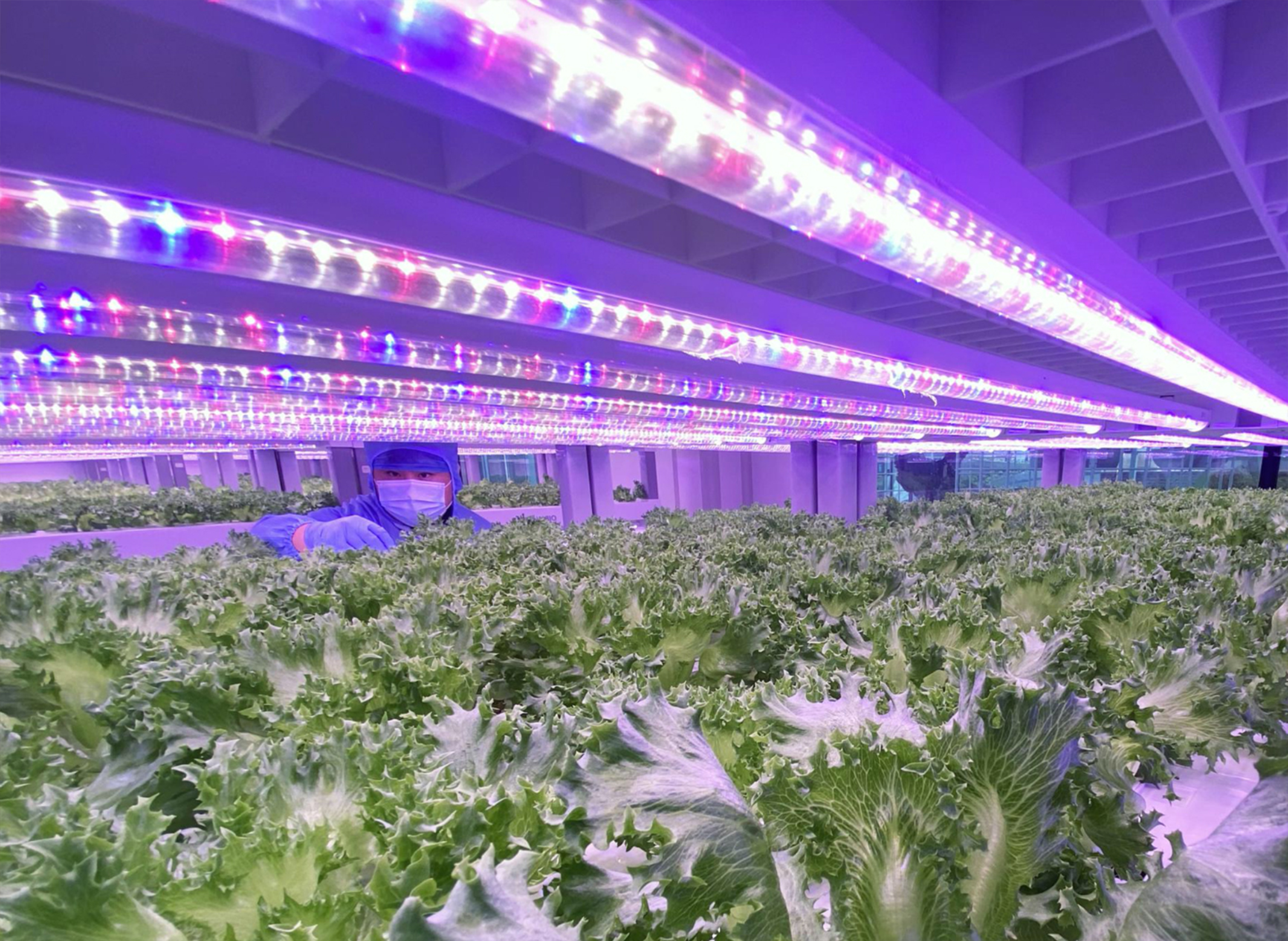
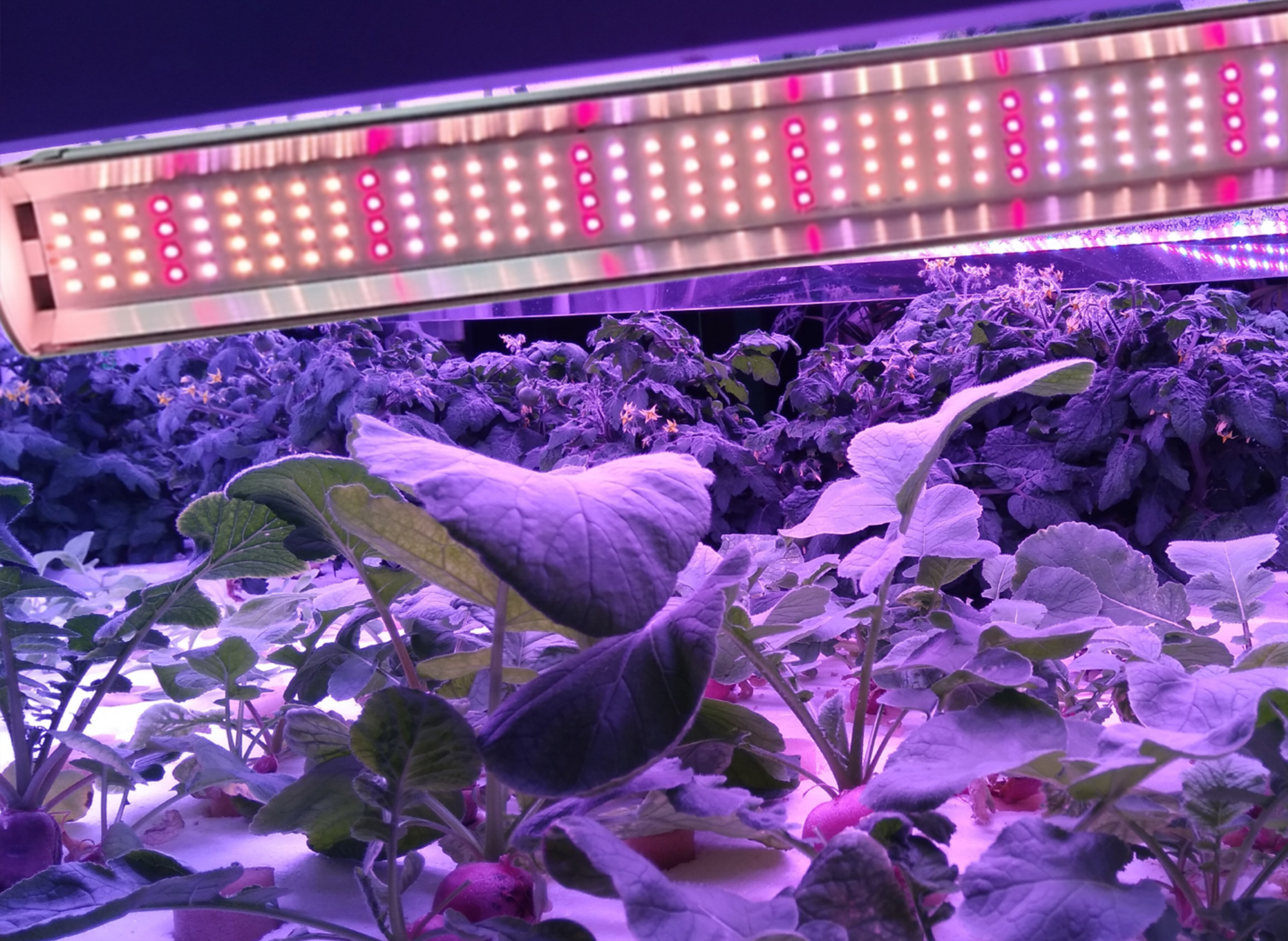
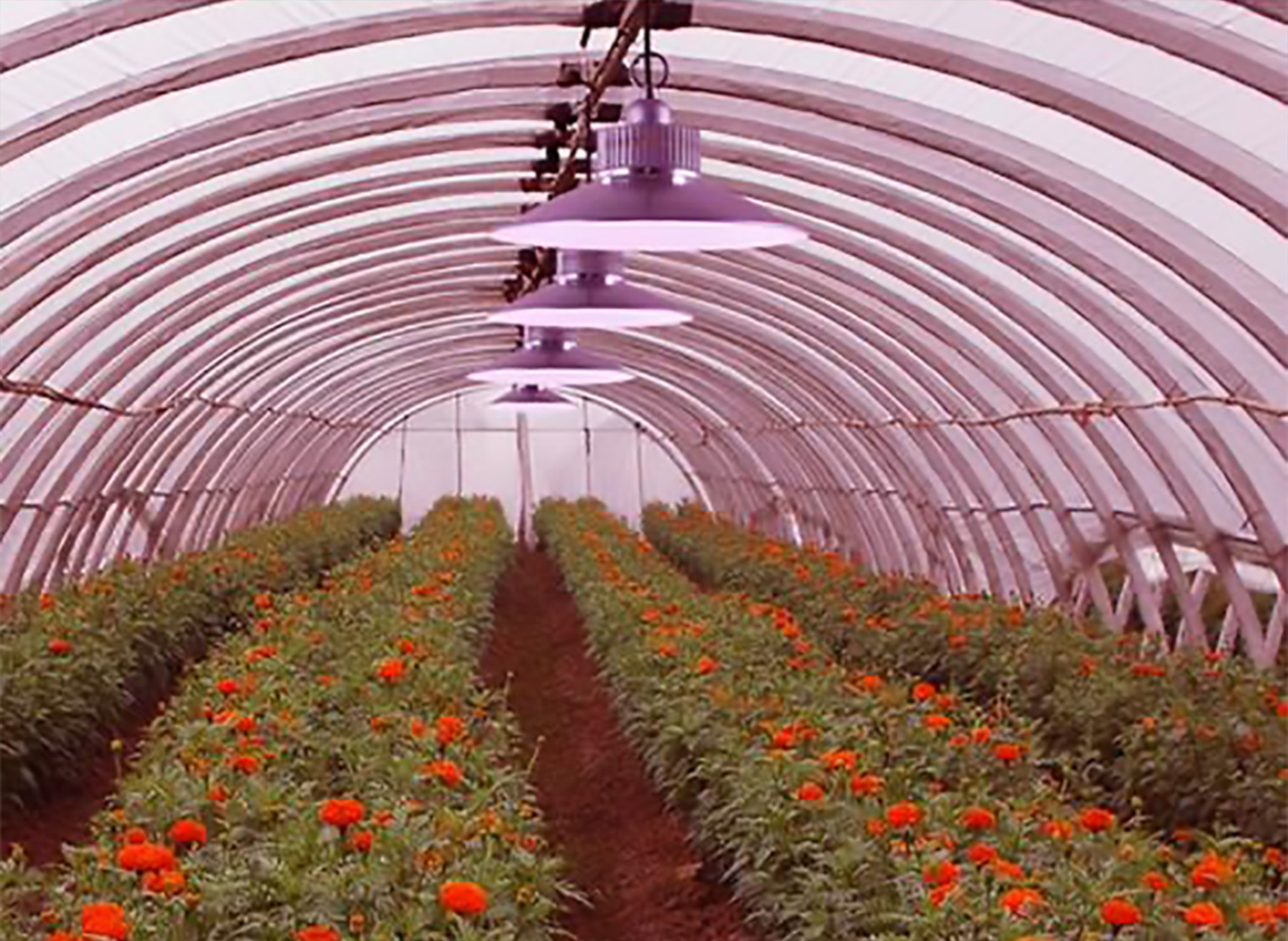
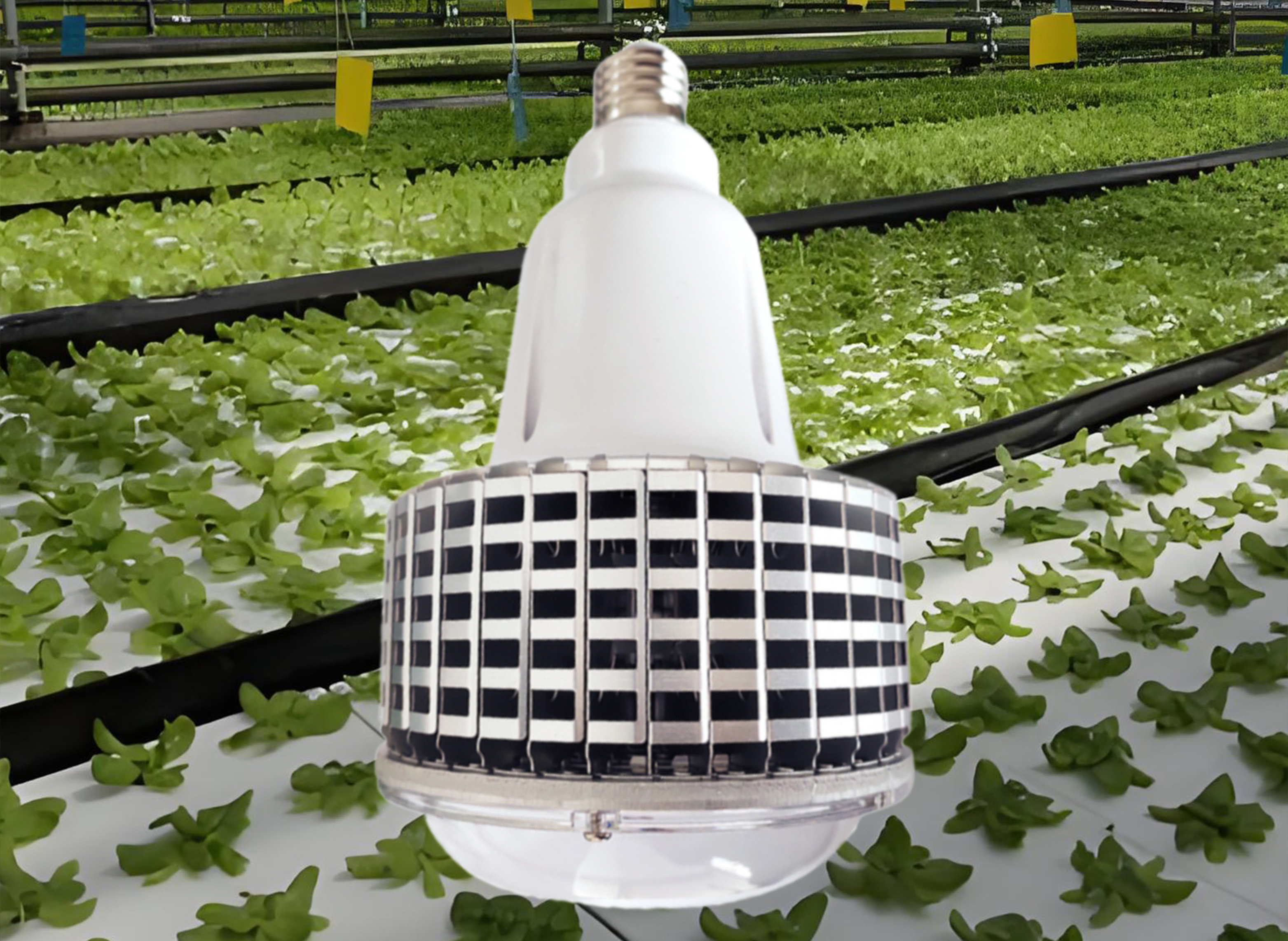
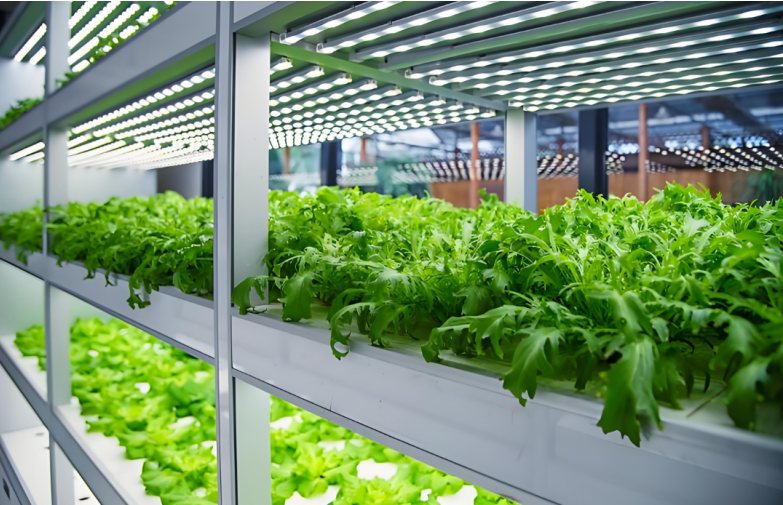
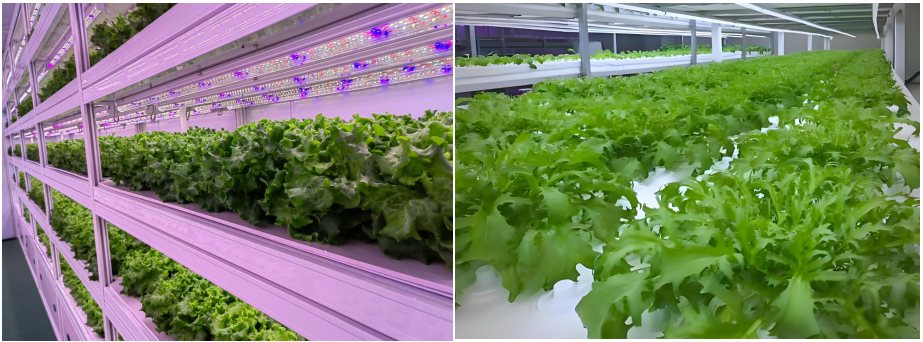
The iteration of intelligent lighting technology stands out as a core highlight of technological innovation this year. Previously, universal light spectra failed to suit all crops. Today, customized dynamic spectrum systems have been widely adopted. Technicians can adjust the ratios of red, blue and white light, light intensity and photoperiod according to crop varieties and growth stages to simulate the diurnal variation of natural sunlight. This improves photosynthetic efficiency while shortening the growth cycle. Some advanced systems can even autonomously optimize light recipes based on crop growth data to further tap the potential for yield increase. Meanwhile, energy-saving technologies such as integrated light-energy storage and photovoltaic linkage are being rapidly implemented. Clean energy is harnessed to cut electricity costs and address the long-standing pain point of high energy consumption in the industry.
The comprehensive upgrade of the IoT architecture enables more efficient remote management. The new-generation control system integrates wireless sensing, cloud storage and mobile terminal management functions. Managers can view full-site environmental parameters and equipment operating status anytime and anywhere via mobile phones and computers. Some large-scale factories also adopt visual recognition technology. AI can assess crop growth status in real time, identify early-stage diseases and carry out early intervention, greatly reducing the risk of yield loss.
Besides the core cultivation systems, supporting technologies are upgraded simultaneously. New recirculating water and fertilizer systems optimize filtration to further improve water reuse efficiency. Specialized growing media are continuously improved to balance environmental friendliness, air permeability and stability, suitable for various scenarios such as three-dimensional planting and vertical greening. The industry has also accelerated the breeding of dedicated crop varieties. Tailored for the enclosed, high-density growing environment of plant factories, dwarf, low-light-tolerant and highly disease-resistant varieties are developed to achieve optimal matching between equipment and crops.
In terms of technology R&D and implementation, Guangdong Aoma Agricultural Technology Co., Ltd. keeps increasing investment. Drawing on years of R&D accumulation, the company has built a mature IoT system for smart agriculture. Its self-developed control systems, planting equipment and supporting substrates have been verified in numerous projects and feature outstanding stability. The enterprise also actively pursues industry-university-research cooperation. It collaborates with research institutions to optimize cultivation models and equipment performance, continuously enhancing product competitiveness.
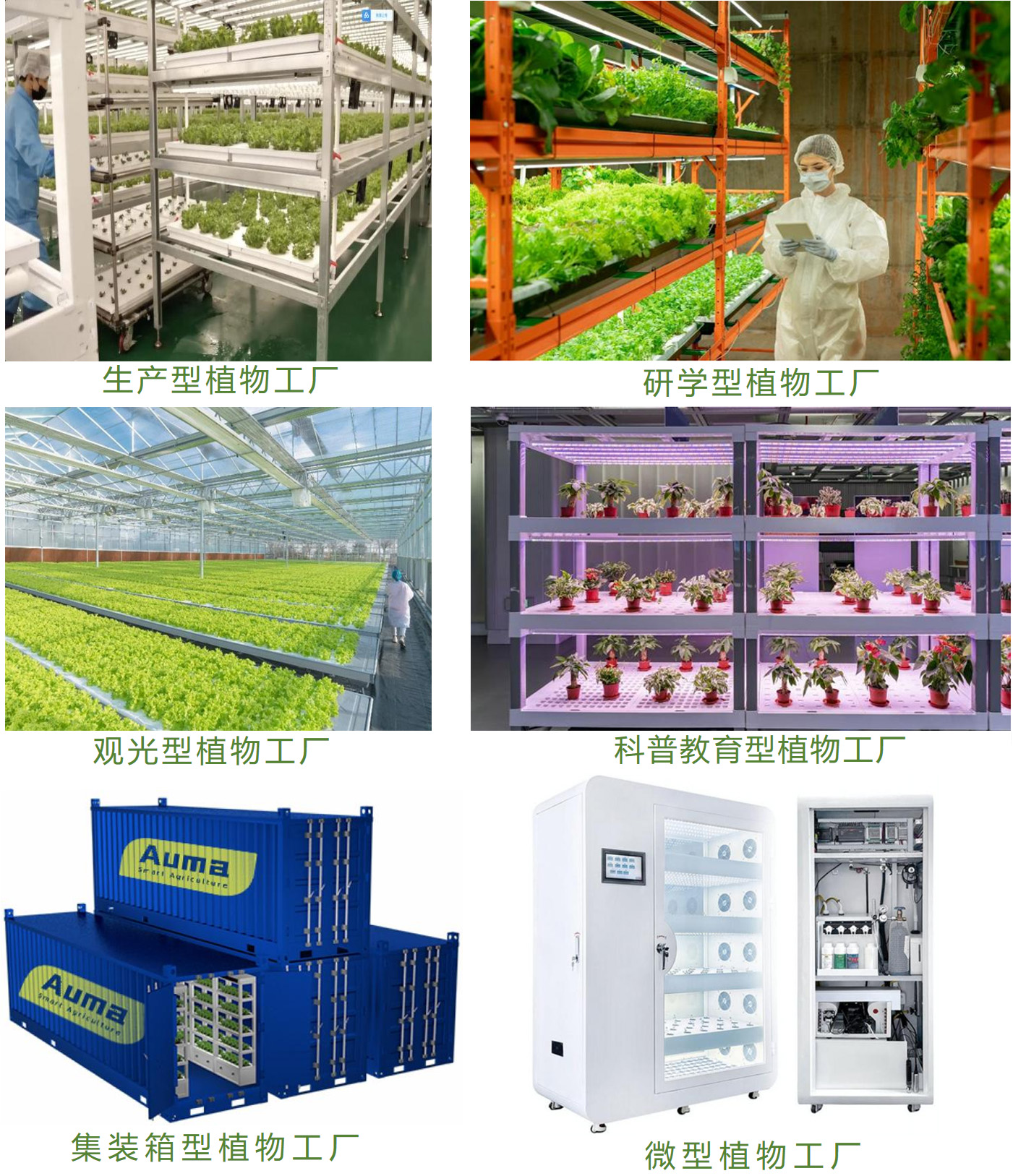
At present, technological innovation has become the core driving force for the development of plant factories. Industry experts state that plant factories in the future will further integrate cutting-edge technologies such as robotic operations and cell cultivation, achieving continuous breakthroughs toward full automation, high yield and low energy consumption. With the continuous popularization of technologies, the cost of intelligent planting equipment will keep declining. It is expected to gradually expand from large-scale commercial projects to small and medium-sized users and household scenarios, enabling smart agricultural technologies to benefit a broader group of people.
